
 CAD, Construction
 3D Printing
 CAM, CNC
 3D Metrology
 PDM, MES
 Architecture, Construction
 Mechatronics & Robotics
 Image Processing
 Hardware
 CAD, Construction
 3D Printing
 CAM, CNC
 3D Metrology
 PDM, MES
 Architecture, Construction
 Mechatronics & Robotics
 Image Processing
 Hardware & Software
 Mechatronics & Robotics
Avoid collisions, make better use of machine time, and make manufacturing processes safer.
“A new component, a freshly programmed NC program, and a 5-axis machine. The programmer stands at the control panel, waiting for the first test run. Hopefully, everything will run smoothly without any collisions.”
The Challenge
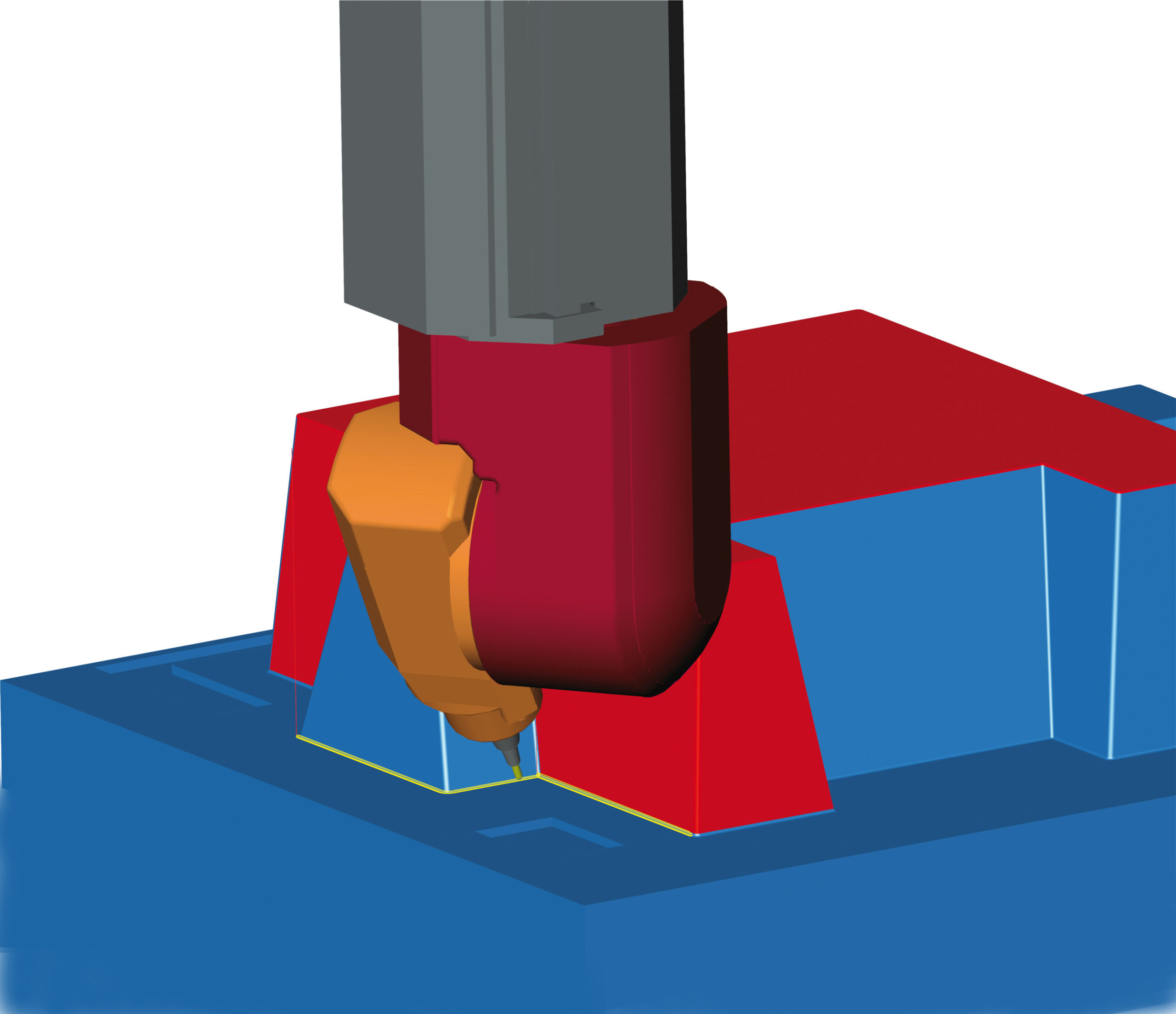
Situations like these are part of everyday life in many manufacturing facilities. In the best-case scenario, a mistake costs only a little machine time and a tool. In the worst-case scenario, the clamping devices, spindle, or machine are damaged, and an order falls behind schedule.
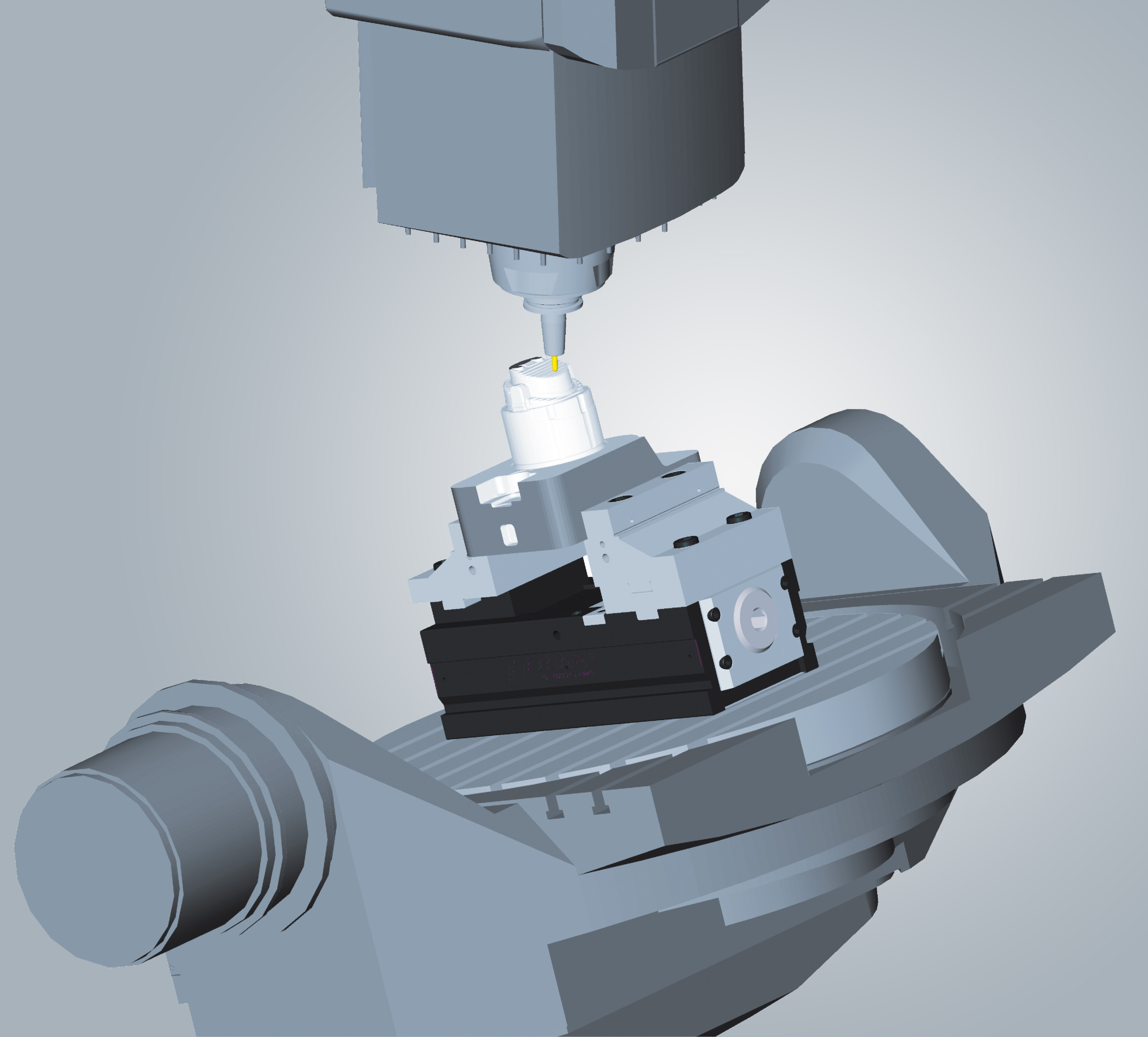
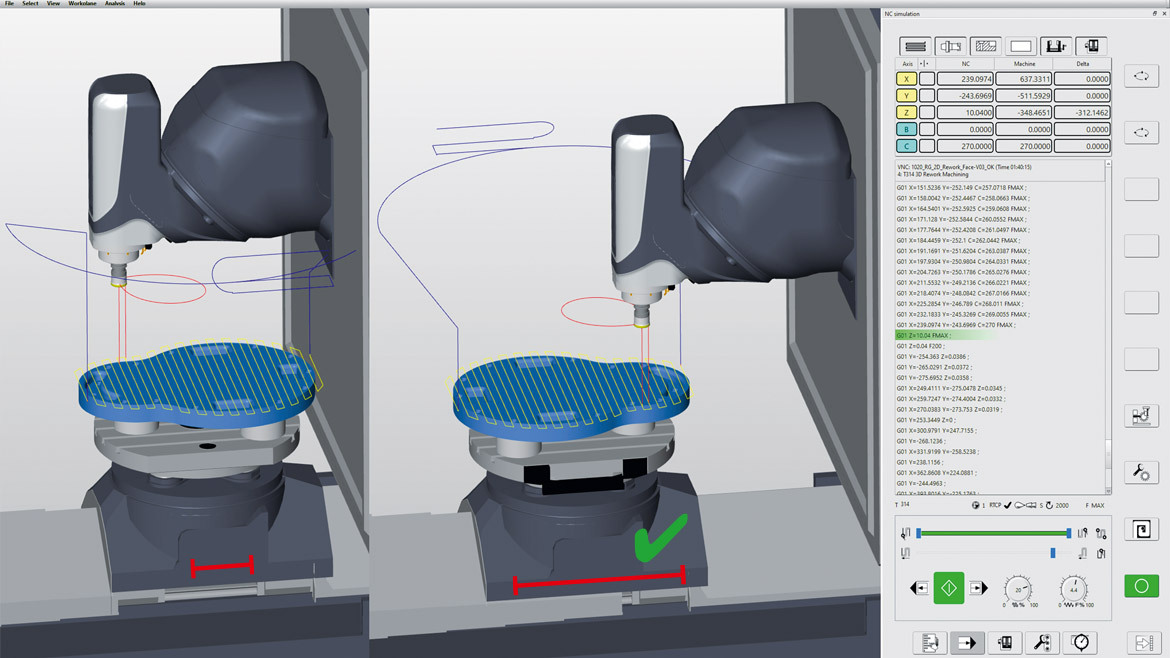
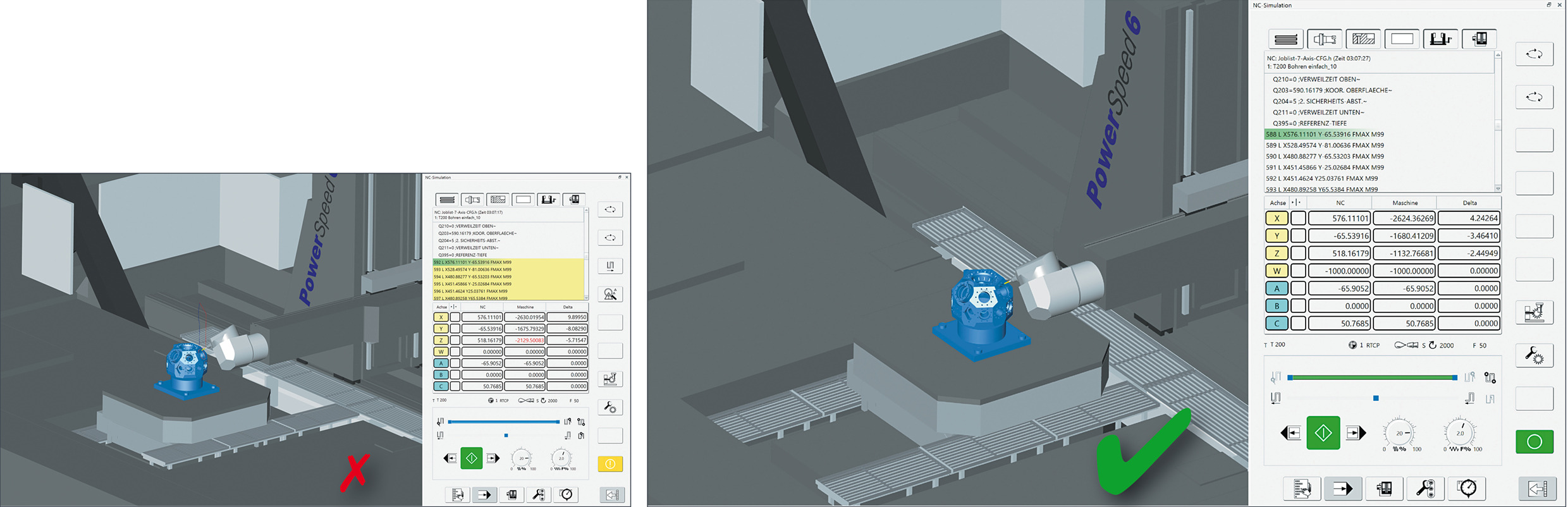
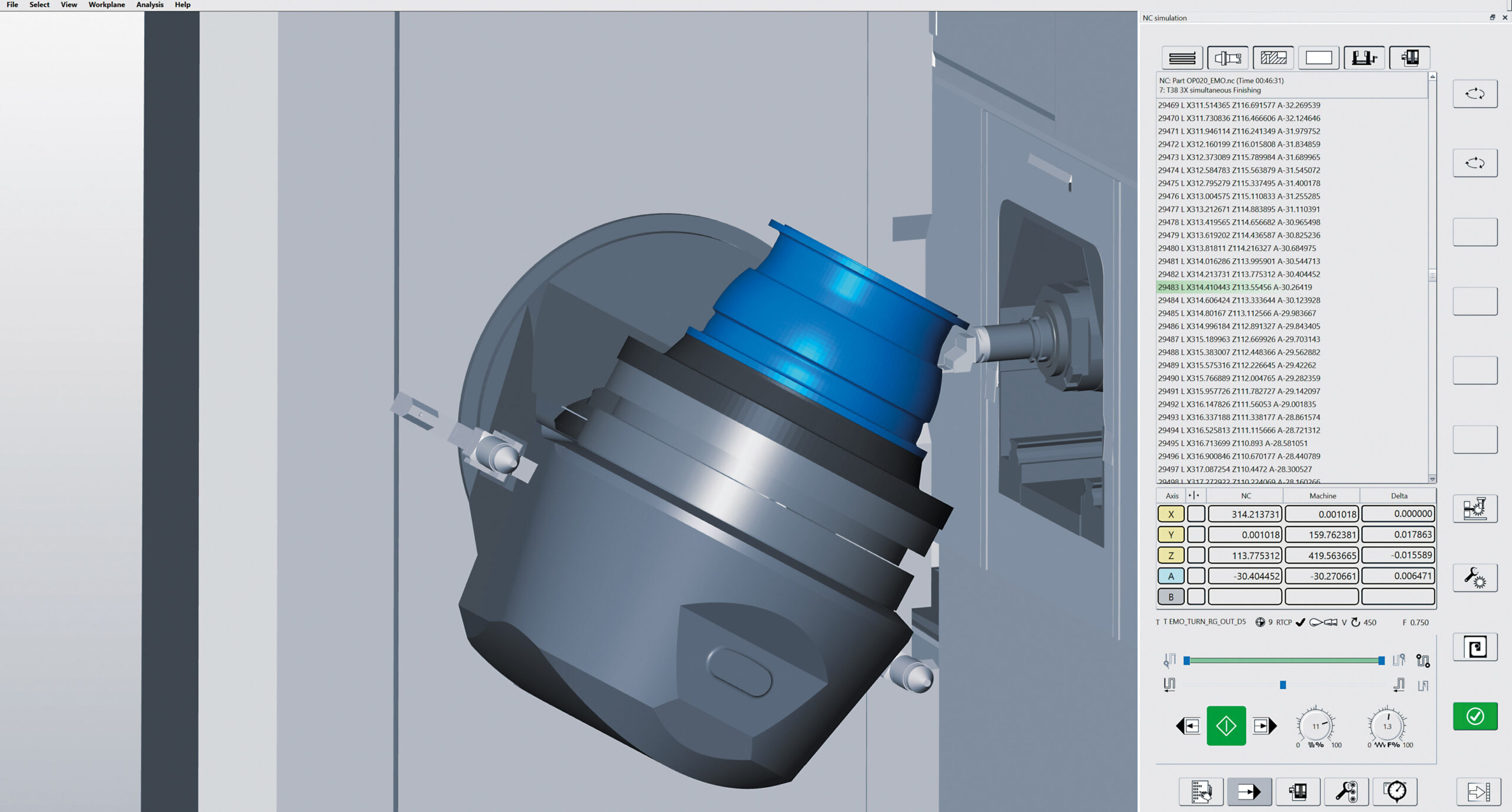
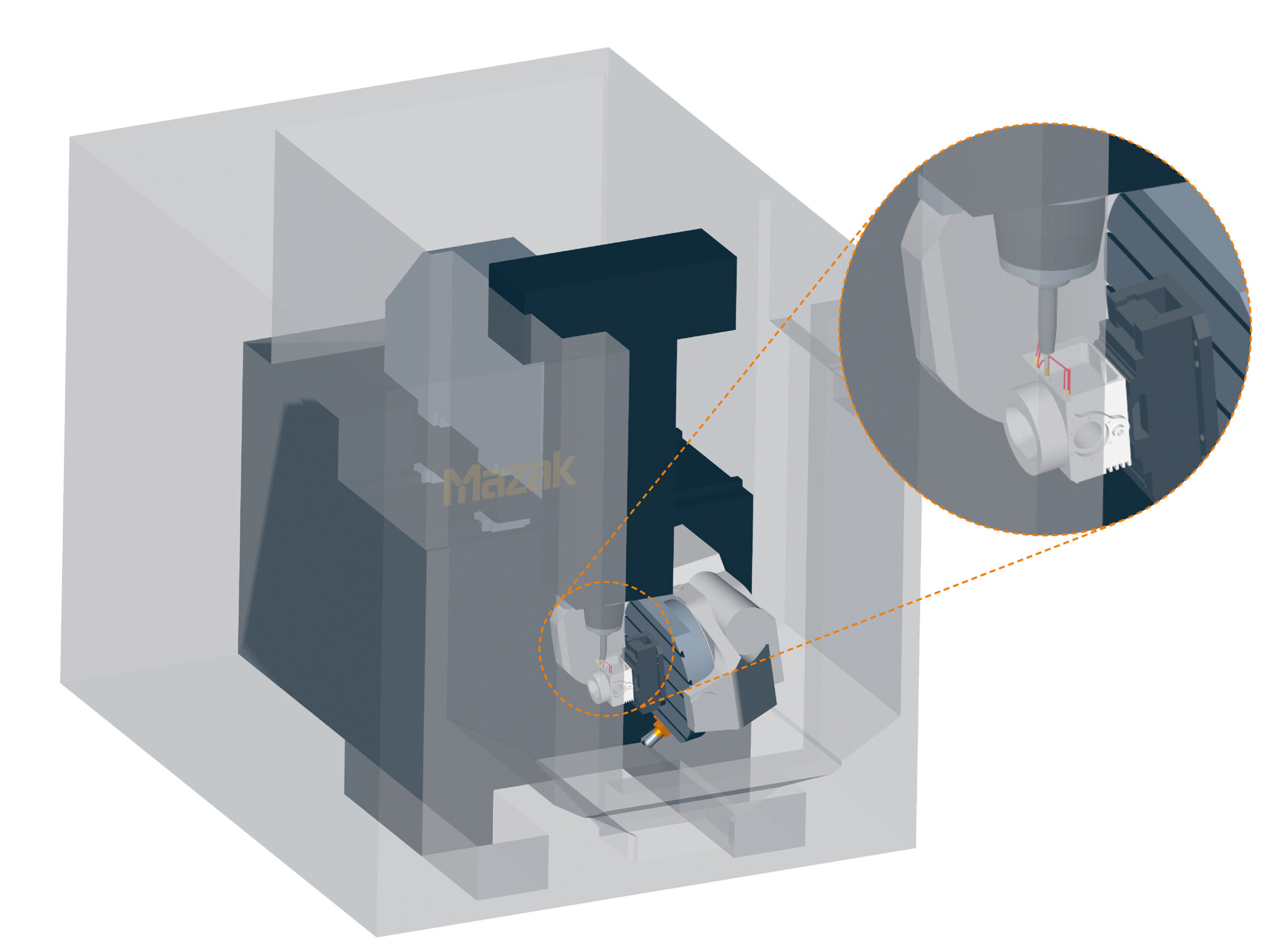
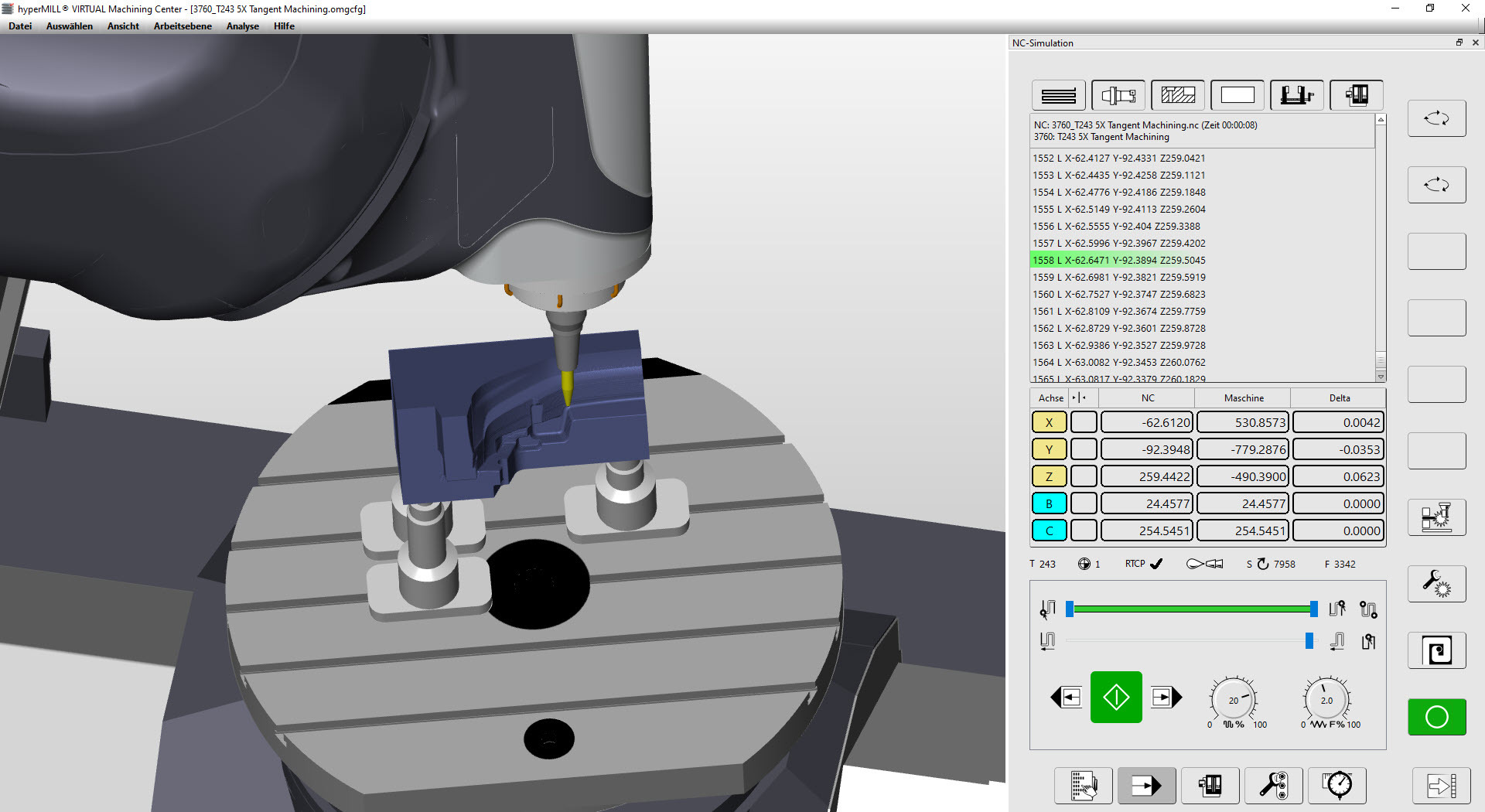
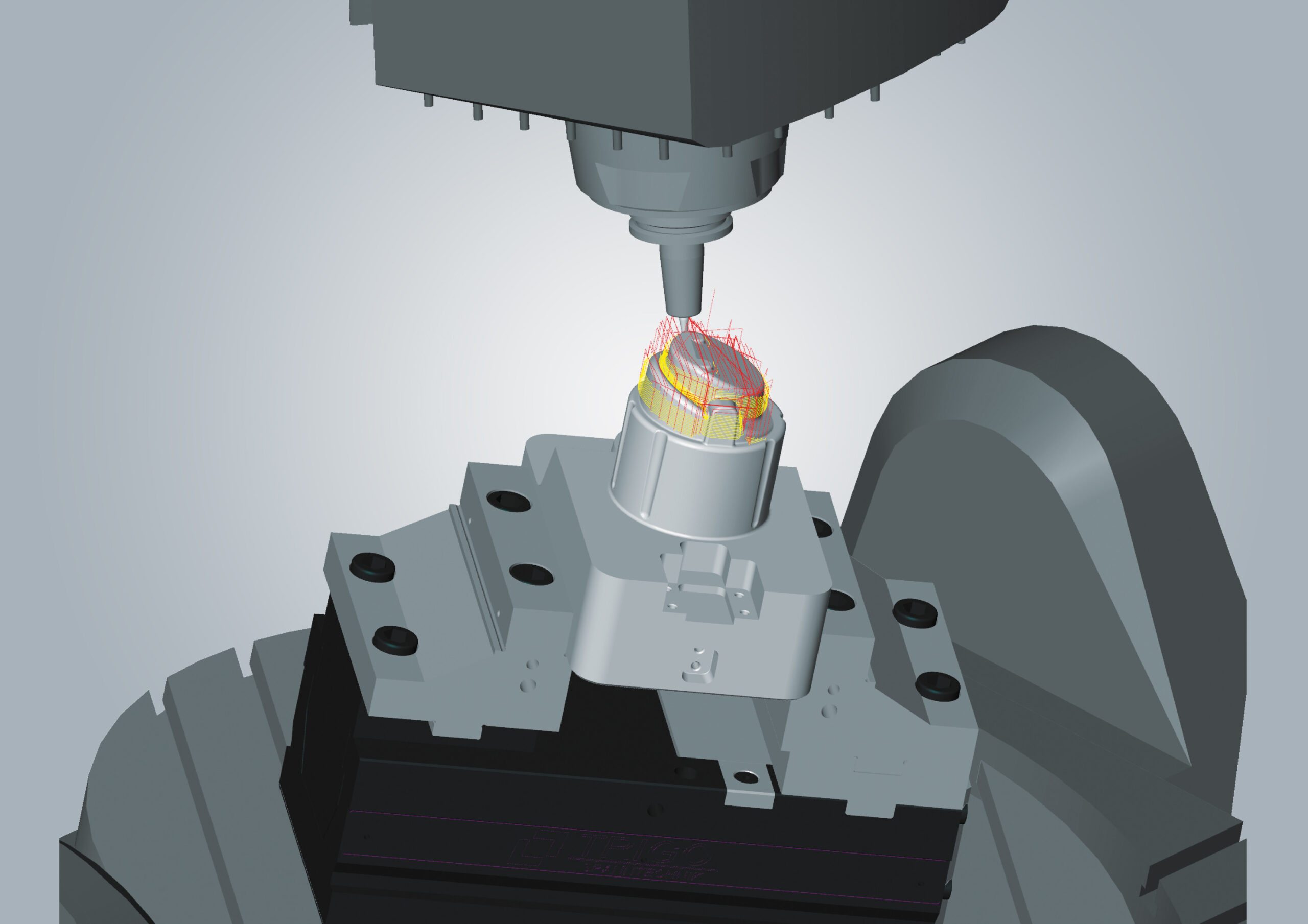
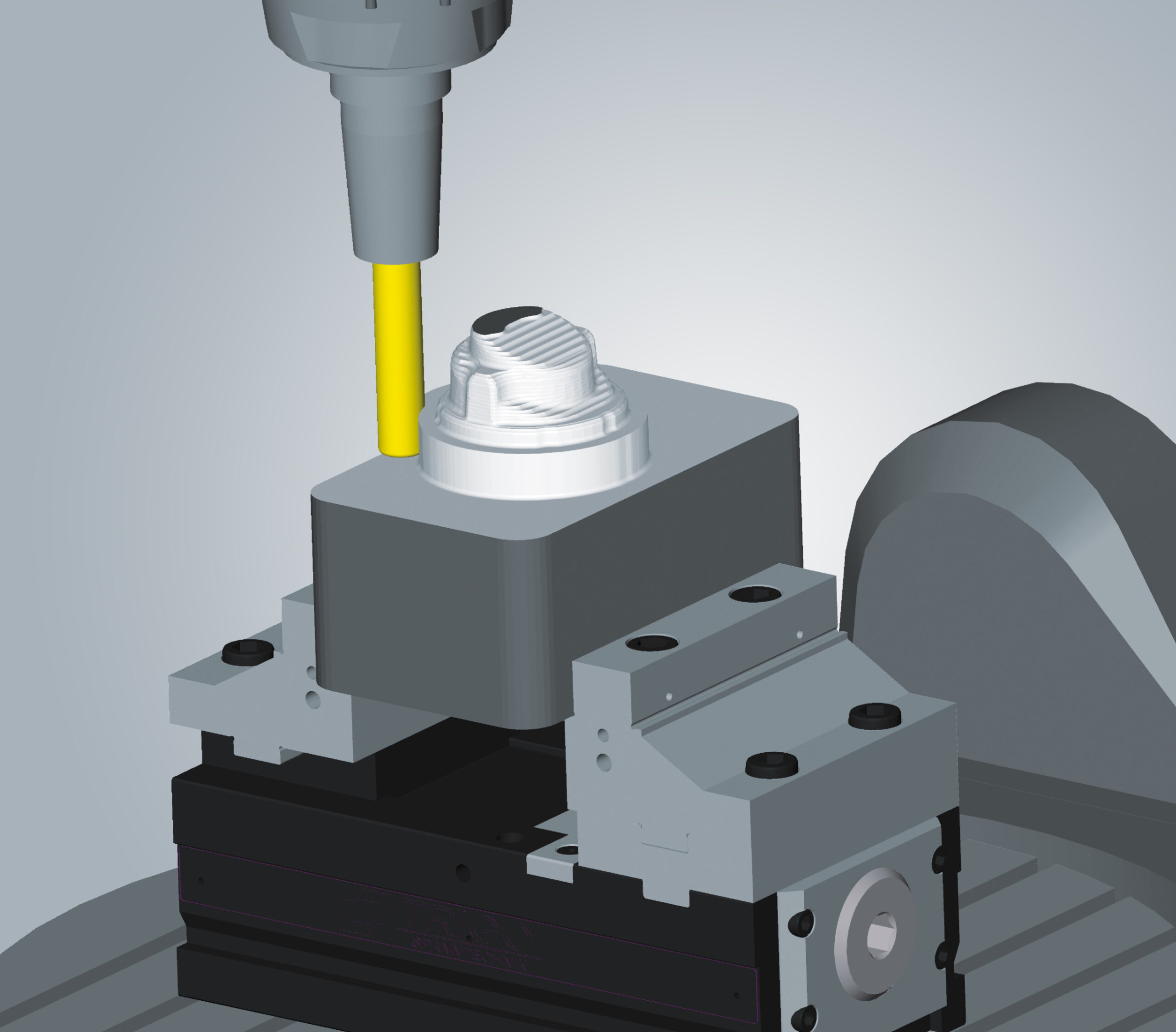
NC code-based simulation comes into play right here: The program is tested virtually under the same conditions under which it will later run on the machine. This allows errors to be detected before they cost time and money during production.
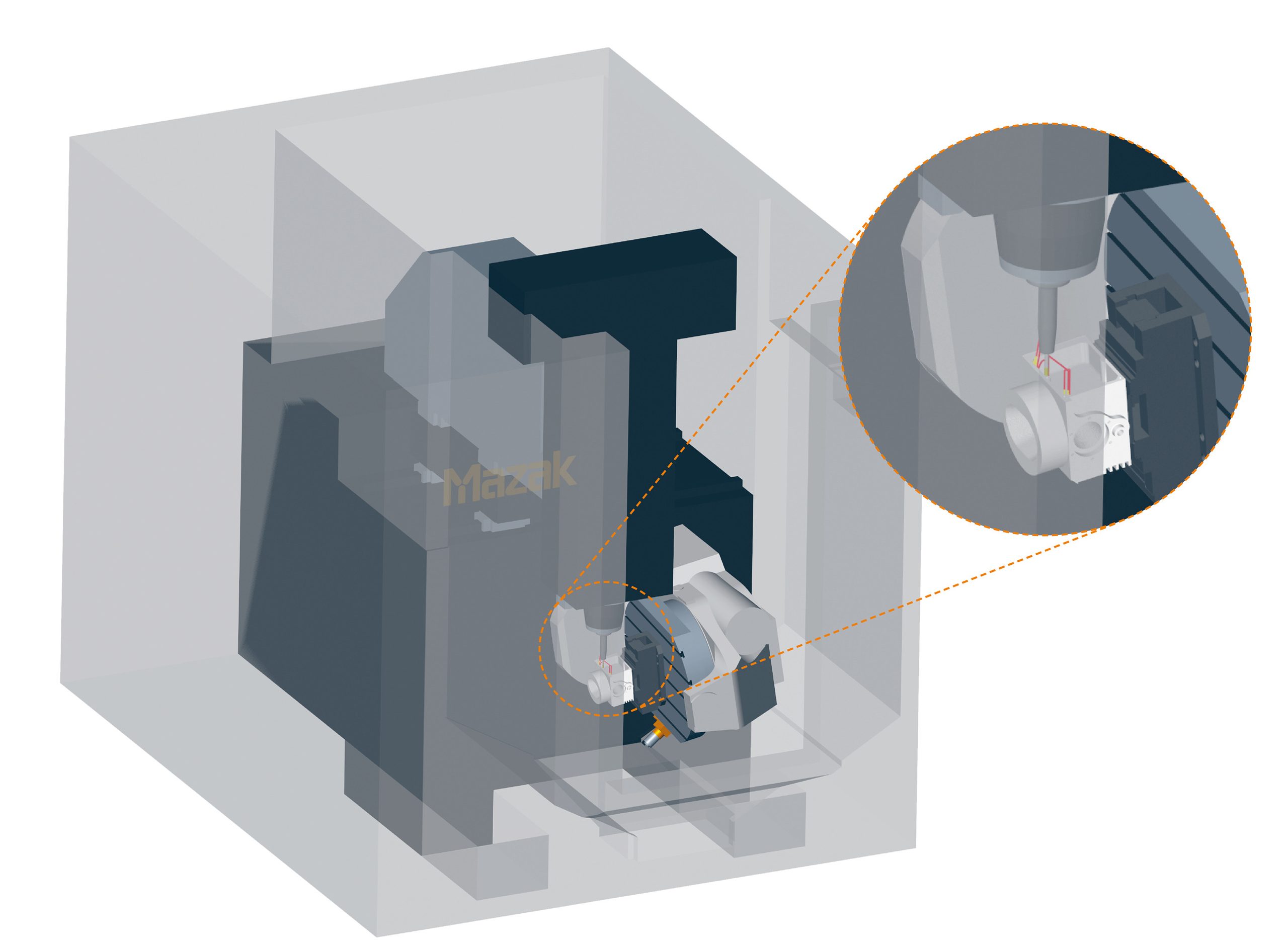
NC code-based simulation is not limited to programming
In many companies, NC-based simulation is primarily viewed as an additional verification step in the programming process. Yet it has a direct impact on production. More complex parts, 5-axis machining, and increasing demands on delivery times and quality make reliable program verification increasingly important.
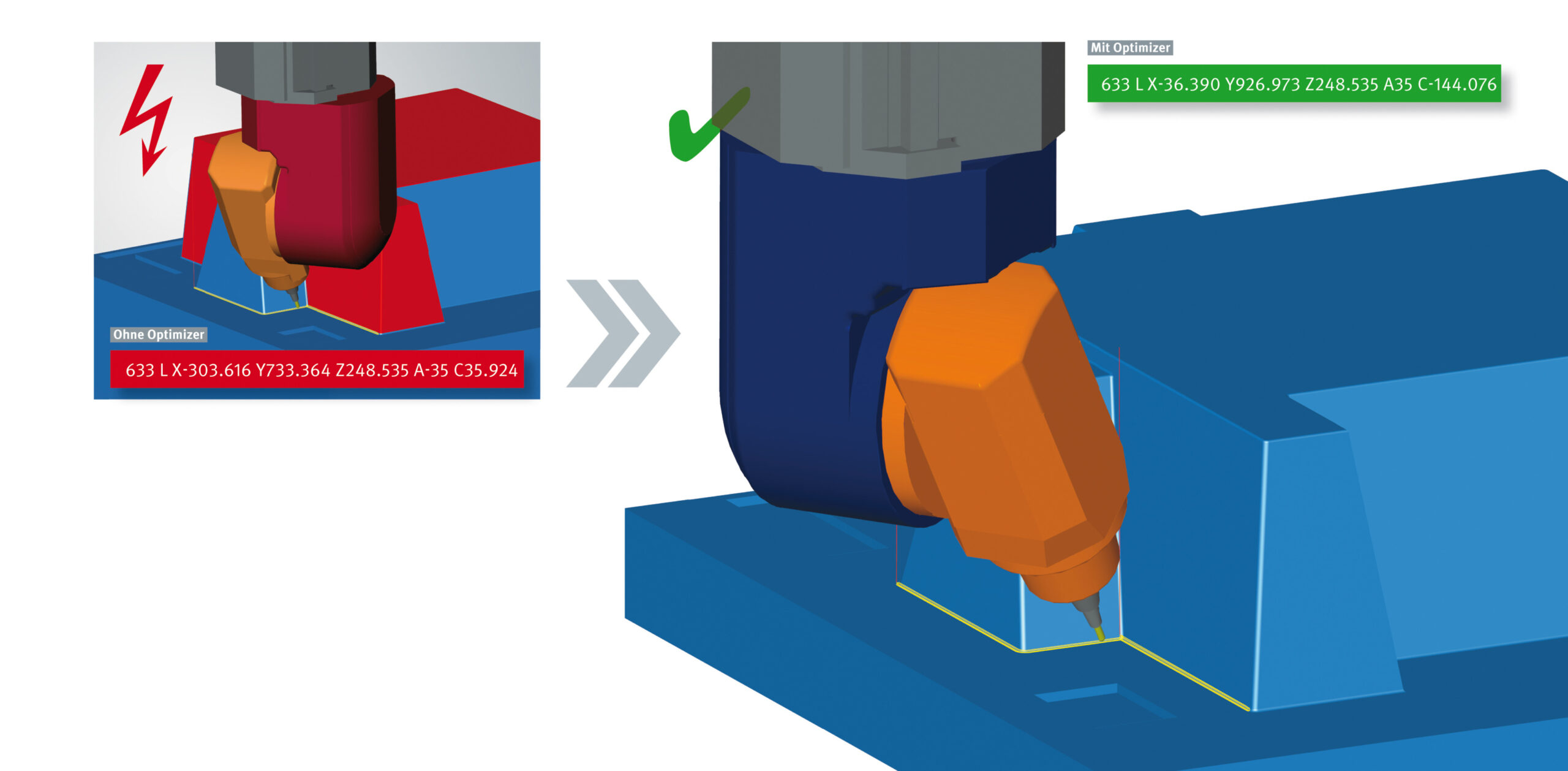
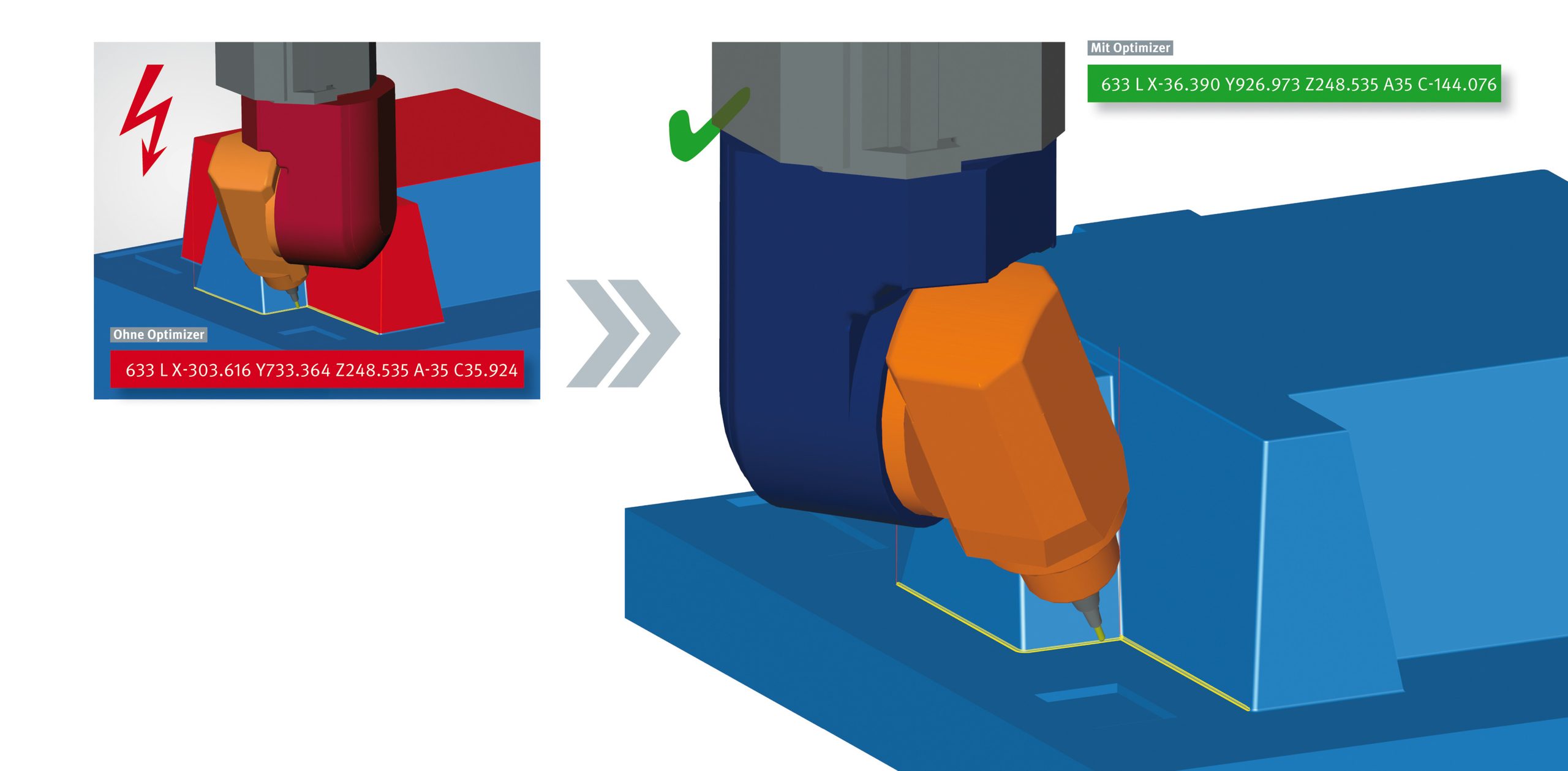
If a potential collision is detected during the virtual check, this error is not discovered only when the tool actually enters the machine. There is an important difference between toolpath checking in the CAM system and NC code-based simulation. In NC-code-based simulation, the actual tool path that is generated is checked—including safety positioning, tool changes, and swivel movements.
How Much a Machine Malfunction Can Cost
A faulty NC program can cause far more than just scrap. In the worst-case scenario, it can damage the tool, clamping devices, or even the machine itself. This is compounded by repair costs, downtime, and potentially a delayed delivery date. When machine utilization is high, such a breakdown has particularly serious consequences because the affected orders cannot simply be shifted to another machine.
For management, therefore, one thing matters above all else: How reliably does the entire manufacturing process run, and what are the costs if something goes wrong?
Manufacturing is becoming more complex
In modern manufacturing companies, simple 3-axis machines are rarely used anymore. Today, the following dominate in many companies:
- 5-Axis Machining Centers
- Turning and Milling Centers
- Multitasking Machines
- automated manufacturing cells
- unmanned shifts
With each additional axis and each new machine function, the complexity of the manufacturing process also increases. A toolpath may look correct in the CAM system but still lead to a critical situation under actual machine conditions. The more complex the machining operation, the more important it is, therefore, to perform a virtual verification of the finished NC program.
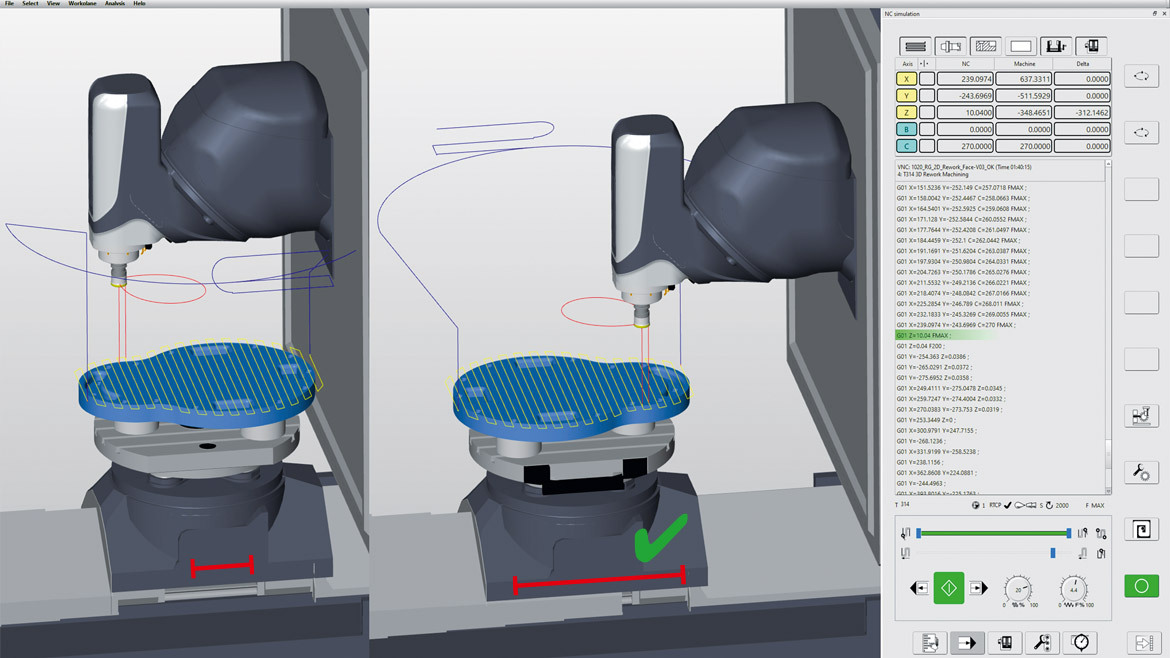
Machine time costs money
There is a lot of talk about the shortage of skilled workers. However, available machine time is also a limiting factor in many companies. If a new program is tested directly on the machine, that time is not available for actual production.
This can quickly become a problem, especially when machines are operating at high capacity. With NC-based simulation, part of this verification can be completed during work planning. This reduces the effort required during the ramp-up phase and frees up more time for actual production. Especially when machines are operating at high capacity, this can free up additional capacity without immediately requiring another machine.
NC code-based simulation is used in automated manufacturing
Automated pallet changes, robotic loading, and unmanned shifts also place greater demands on programming. If a faulty NC program runs during an unmanned shift, no one can intervene immediately. A simulation before approval helps identify such errors in advance.
Not Just Avoiding Collisions—Optimizing Production
However, an NC simulation can do more than just detect collisions. By analyzing the entire machining process, it is possible, for example, to identify unnecessary travel paths, long non-cutting times, or inefficient tool changes. These aspects can then be optimized.
This means that simulation is not only used to validate the program. It can also help reduce processing times and improve overall machine utilization.
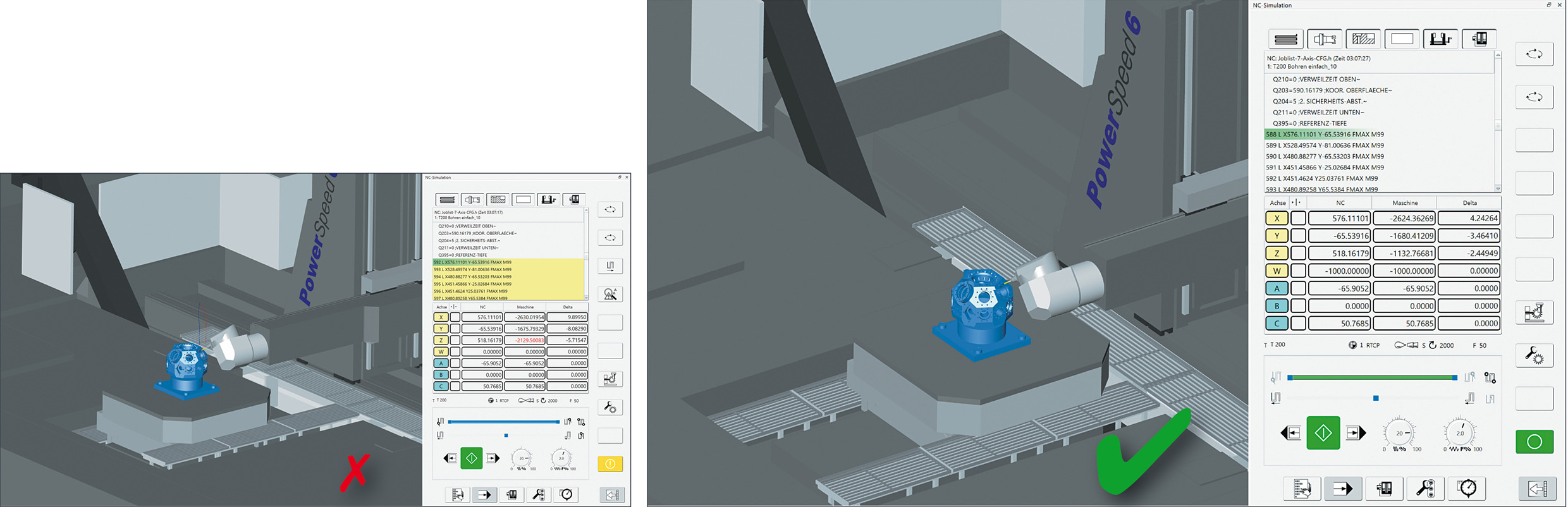
Conclusion: Safety begins before you get to the machine
Today, NC-based simulation is much more than just an additional check for the CAM programmer. Errors can be detected before the program is sent to the machine, where it could cause delays or damage. The check thus takes place where corrections can be made most easily and cost-effectively—during job planning.
For production management and executive management, the most relevant factors are the effects on day-to-day operations: fewer downtimes and less scrap, shorter ramp-up times, and improved machine utilization. Virtual inspection can make a significant difference, especially in complex 5-axis machining and automated processes.
Economic Assessment
| Corporate Goal | Contribution of NC-Based Simulation |
| Machine Availability | Fewer unplanned downtimes through early fault detection |
| Risk Mitigation | Detect collisions and incorrect movements before the machine starts running |
| Automation | Greater Safety in Unmanned and Automated Processes |
| Capacity Increase | Reduced break-in and testing times |
| Quality Assurance | Less scrap and rework |
| Availability | More stable processes and fewer unplanned delays |