
 CAD, Construction
 3D Printing
 CAM, CNC
 3D Metrology
 PDM, MES
 Architecture, Construction
 Mechatronics & Robotics
 Image Processing
 Hardware
 CAD, Construction
 3D Printing
 CAM, CNC
 3D Metrology
 PDM, MES
 Architecture, Construction
 Mechatronics & Robotics
 Image Processing
 Hardware & Software
 Mechatronics & Robotics
Wood. But make it fast.
Sometimes the best projects don’t start with a plan, but with a thought that shouldn’t really be one.
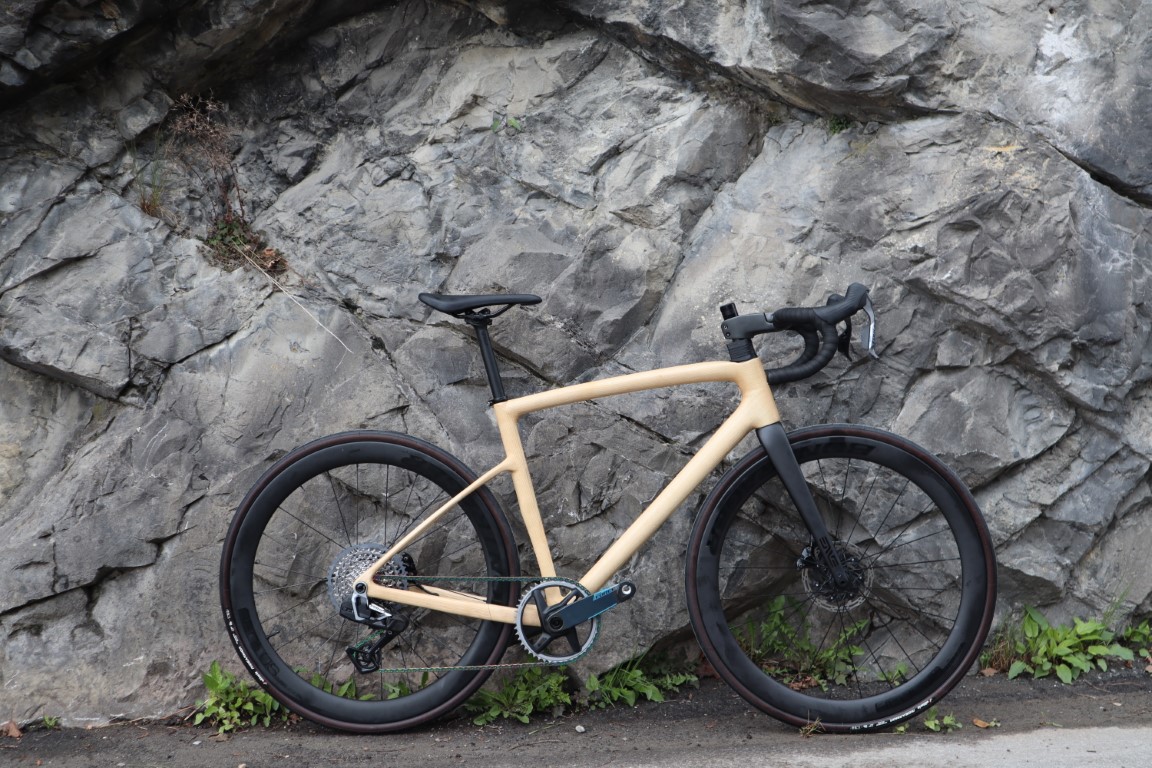
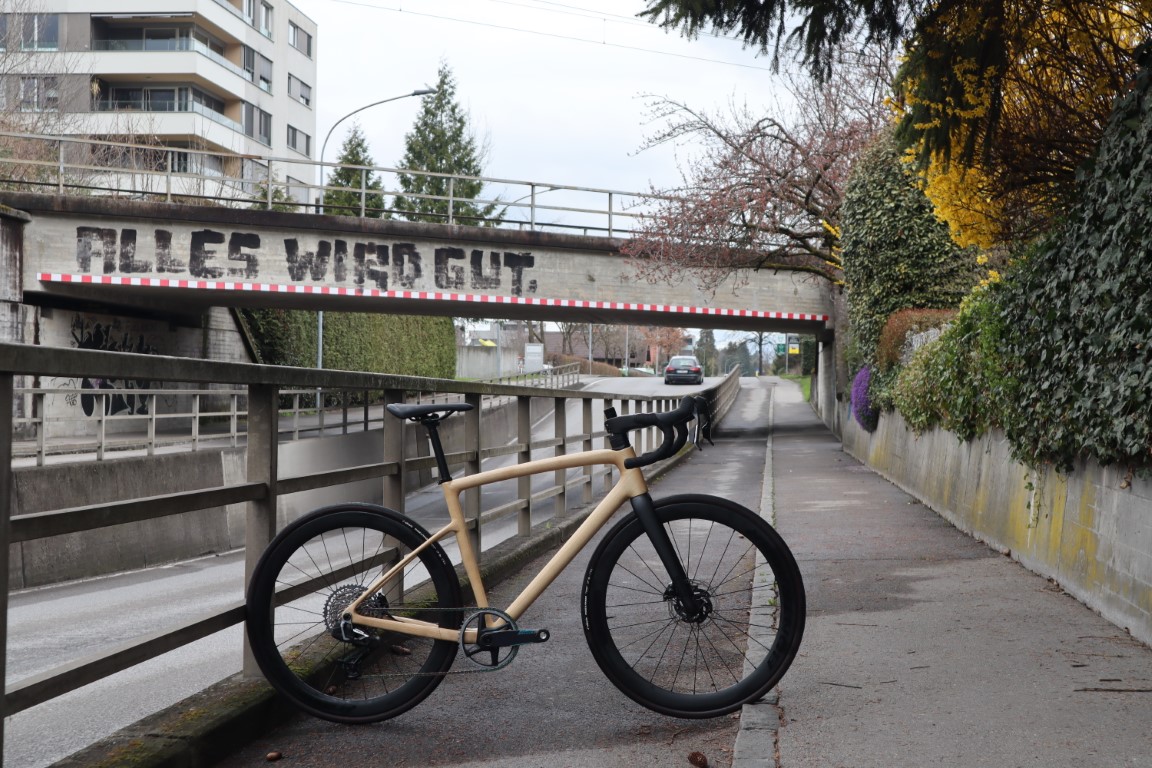
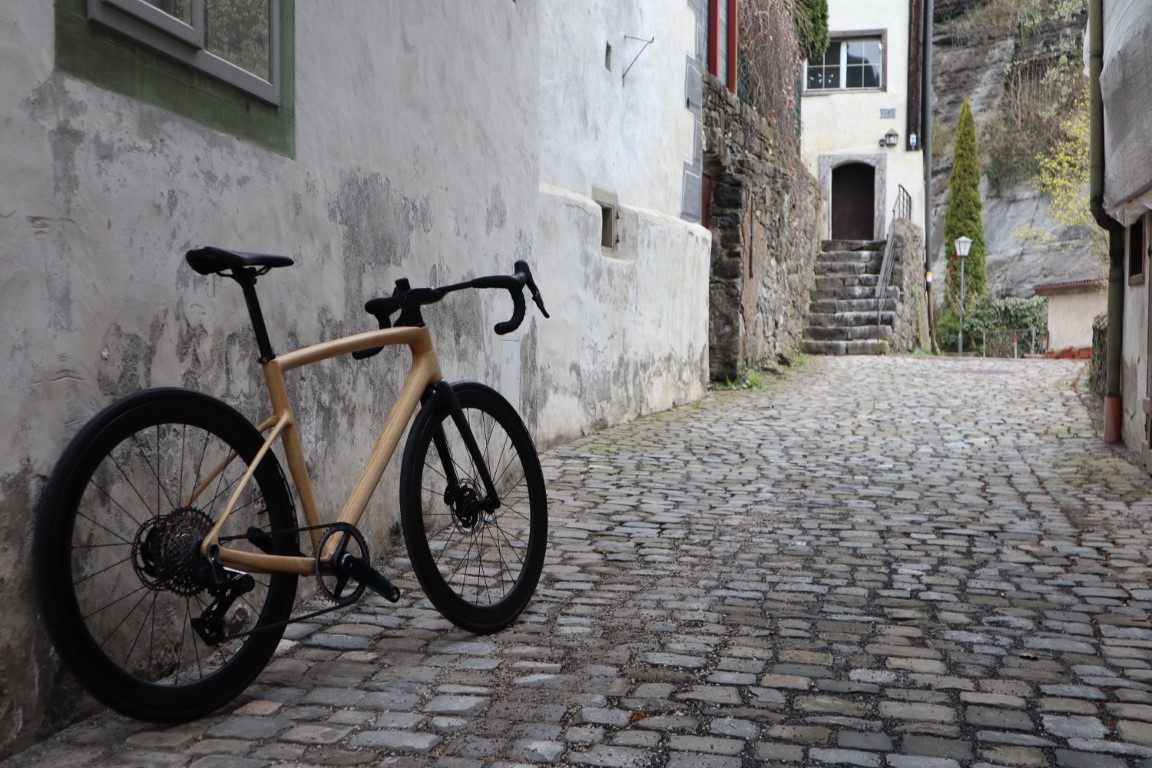
The idea behind the wooden-carbon racing bike: What if a wooden racing bike could be faster than anything we know?
At first it sounds like an idea that you will discard after the second coffee or at the latest when someone says “carbon”.
This is exactly where Woodberg’s story begins.
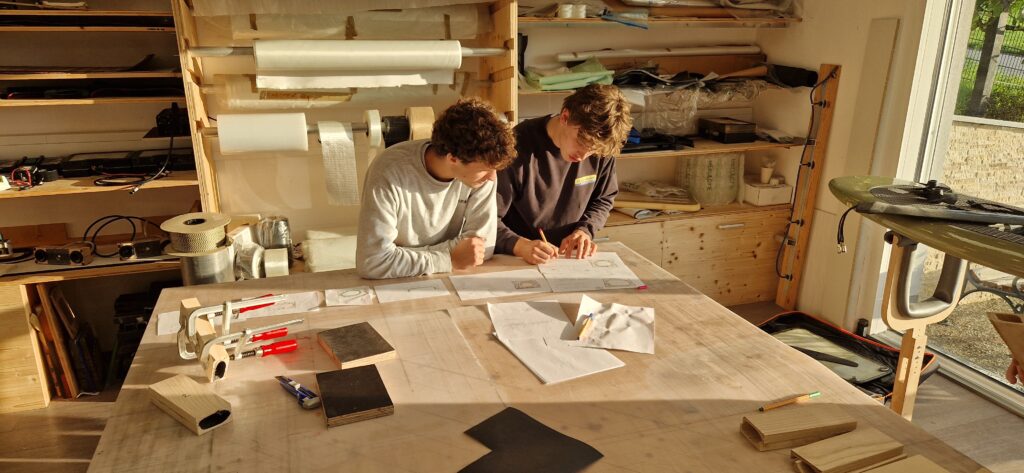
One diploma thesis. Two students. One goal.
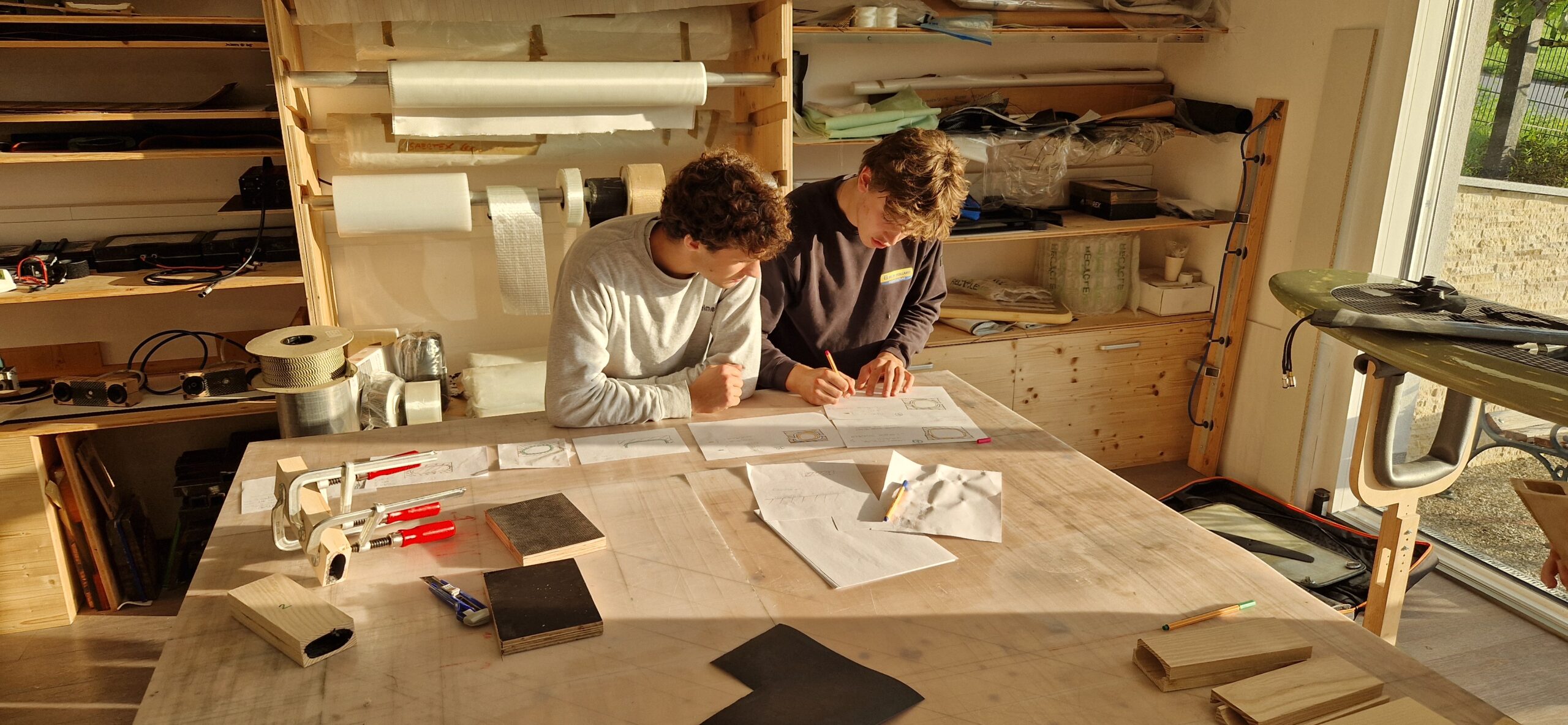
Adrian and Vincenz, the two students at HTL Imst, had a pretty clear goal: not just to build a racing bike. They wanted to turn road bike construction on its head.
- Changes? Means new forms.
- Individualization? Expensive.
- Sustainability? Difficult.
So they asked themselves: How can we achieve this? The answer: By joining forces!
How WESTCAM became part of this story
What began as an idea was further developed into a functioning overall system through technological support, engineering expertise and iterative optimization.
This was not just about individual work steps, but about end-to-end support from the digital basis through to solving specific challenges on the prototype.
WESTCAM support in detail
Precise digitalization of real bicycle frames as a starting point for further development and design.
Preparation of the scan data into a usable, parametric CAD model, which served as the basis for our own design adaptations.
Optimization of the frame structure in terms of weight, stiffness and manufacturability, adapted to the wood-carbon approach.
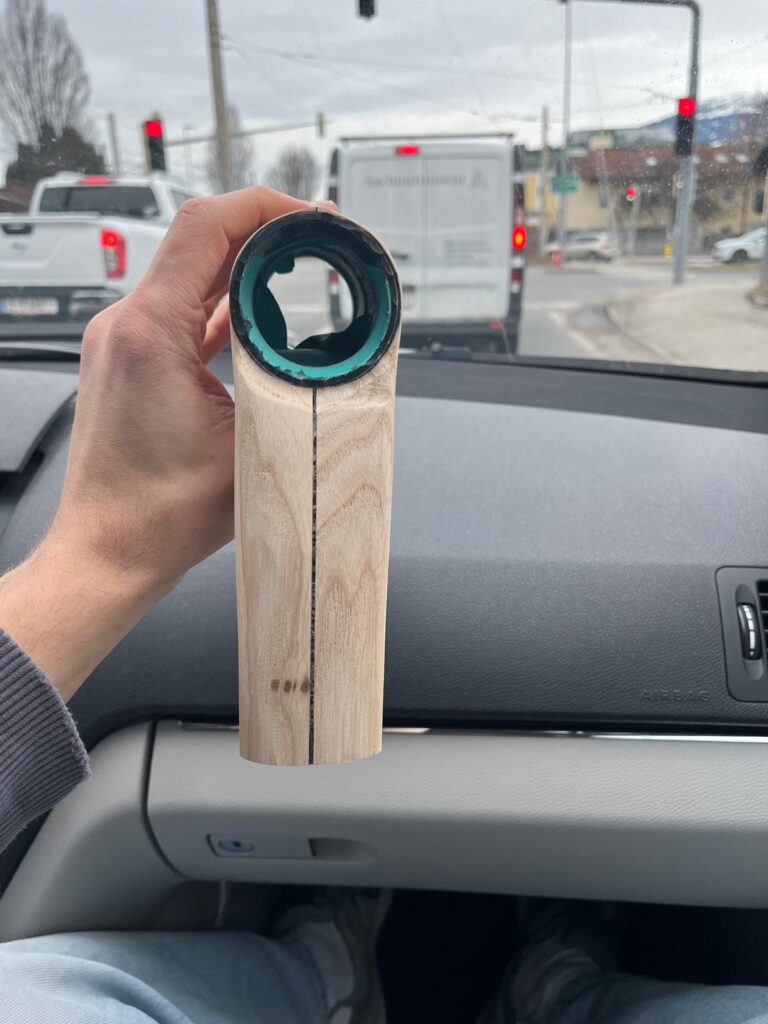
Development of essential components such as bottom bracket shells, bearing shells and metal inserts, which had to be precisely integrated into the frame design.
Creation of precise dividing planes along the longitudinal axis as a prerequisite for milling the wooden blanks and subsequent production.
Supply of suitable data sets for simulations in order to be able to analyze loads, stiffness and structural behavior of the frame.
Ongoing adjustments and improvements in the development process, even for complex changes affecting several components.
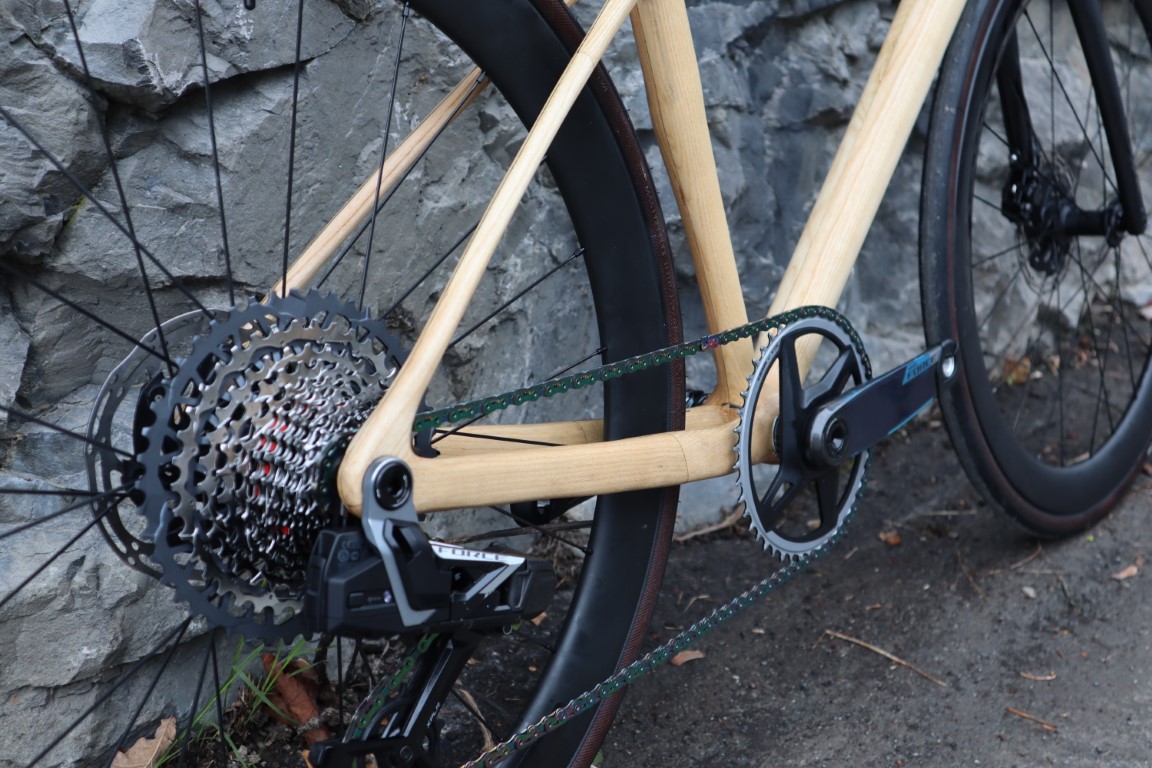
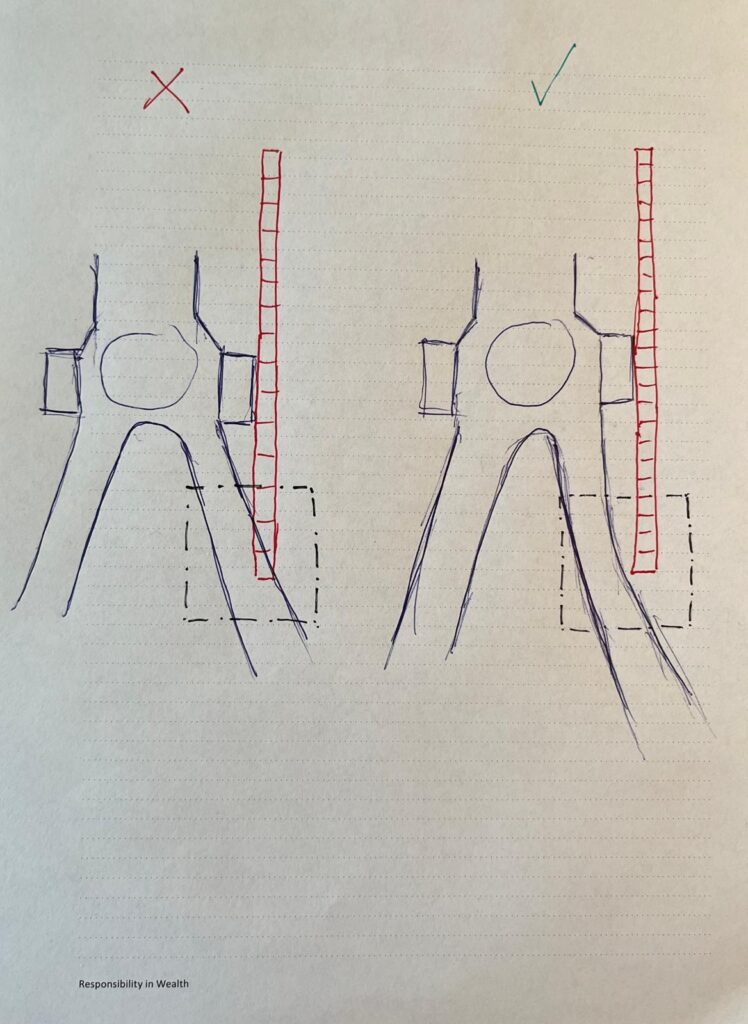
Targeted design adjustment in the event of a collision between chainring and frame stay, without affecting the rest of the geometry.
Continuous support through expert knowledge, from the initial data collection to the final implementation of the prototype.
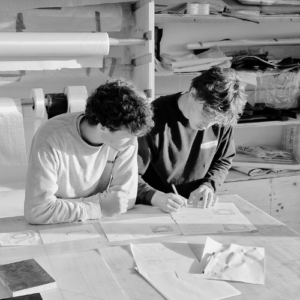
The reality of bicycle construction is… let’s say: efficient, but not necessarily elegant. Carbon frames are light, stiff, powerful but also material-intensive, costly to produce and surprisingly sensitive when it comes to impacts.
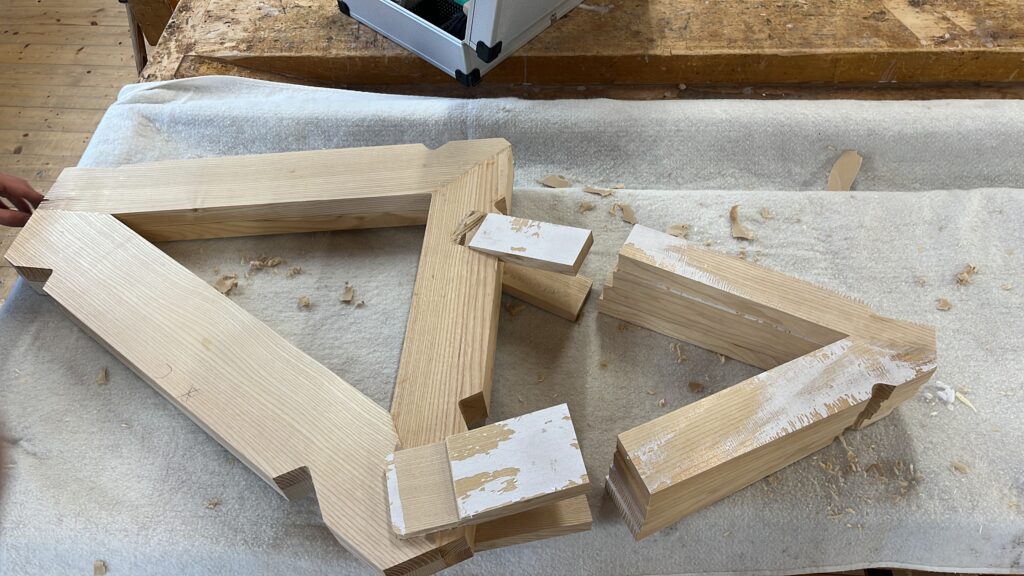
Combination instead of breakage
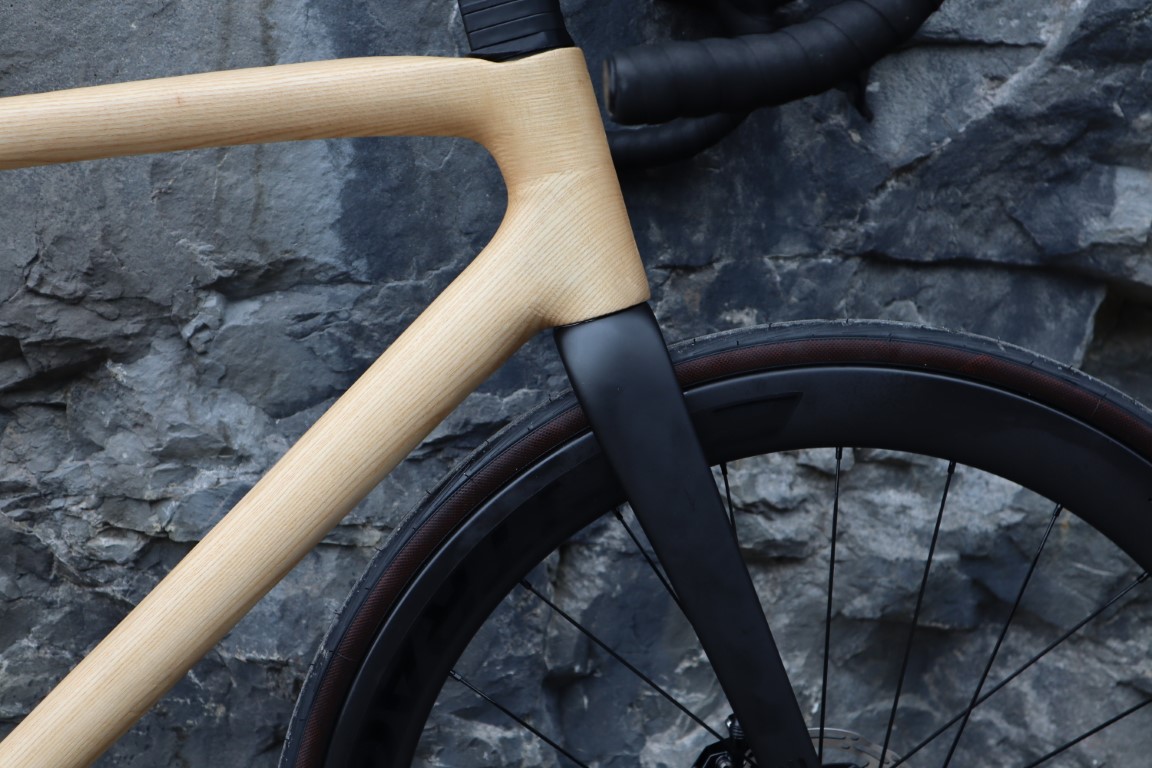
The answer was not a radical break but a rather ingenious combination:
Wood and carbon. Not as a compromise. But as a team.
- Carbon takes over the performance
- Wood provides shape, protection and impact resistance
- And suddenly a problem becomes a system
The special feature:
The wood is not just a shell, it replaces the classic negative form in frame construction.
This means: no more complex molds, no unnecessary layers of material, but maximum flexibility.
Or to put it another way:
Less material. More intelligence. More personality.
Sustainability taken into account
Another aspect that is often neglected: Sustainability. Because as efficient as carbon is, its production is energy-intensive, material-intensive and anything but resource-friendly.
Woodberg takes a different approach here.
The combination with wood, a renewable raw material, not only saves material, but also rethinks the entire manufacturing process. Less carbon, no costly negative moulds and a construction method that enables individualization without additional resource consumption. The result is not a “green marketing promise”, but a genuine approach: high performance and responsibility do not have to be mutually exclusive.
In other words:
A road bike that is not only fast but also thinks ahead.
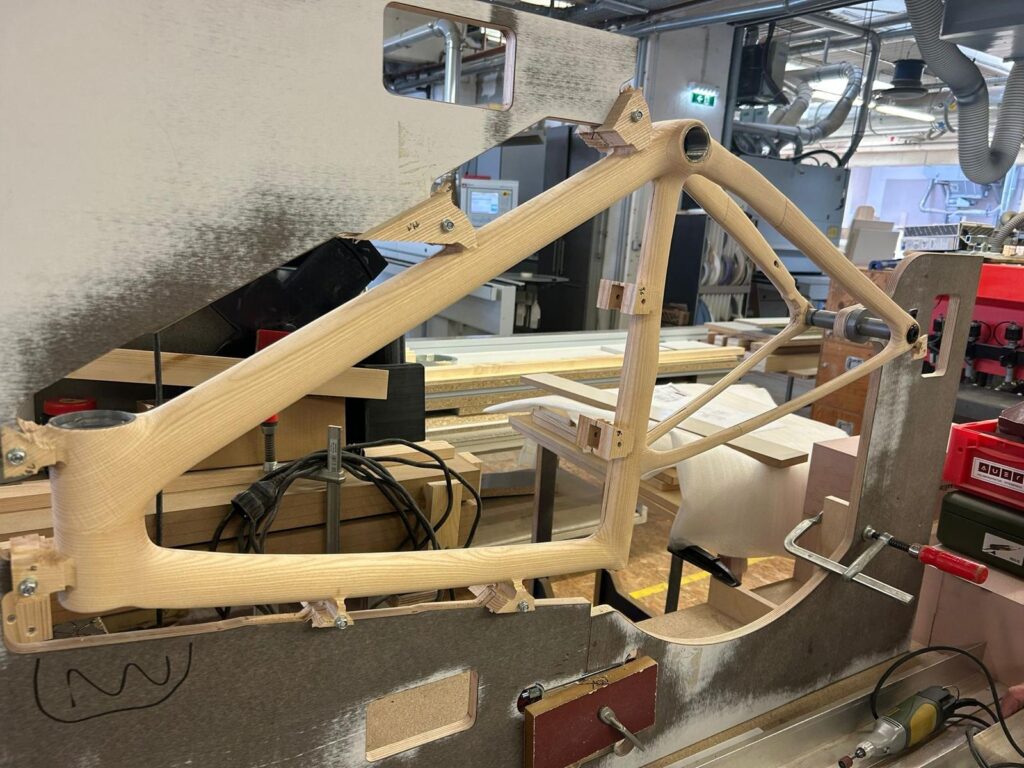
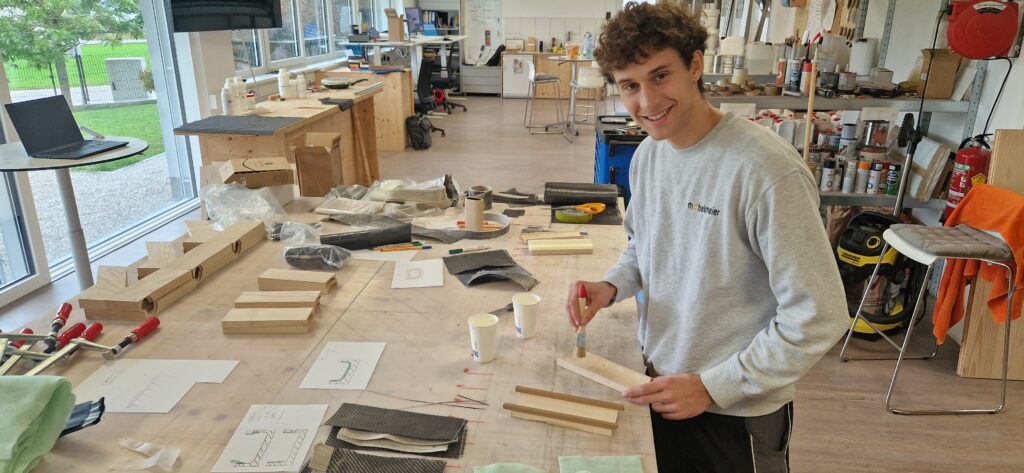
Optimization step by step
Of course, it was not a straightforward path.
In the beginning, there was even the idea of a solid wooden wheel, until it became clear that it was too heavy.
So we calculated, tested, discarded and rethought.
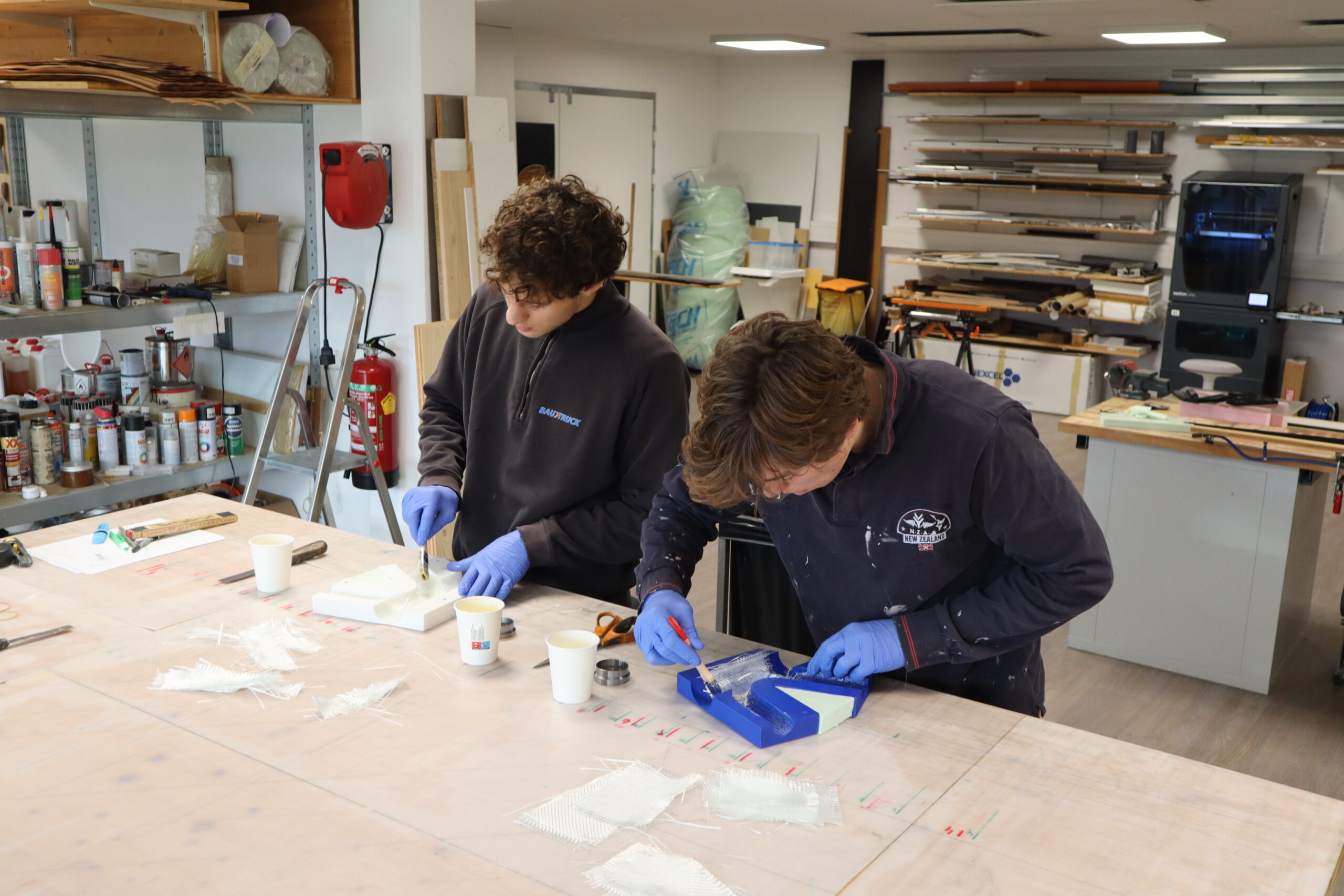
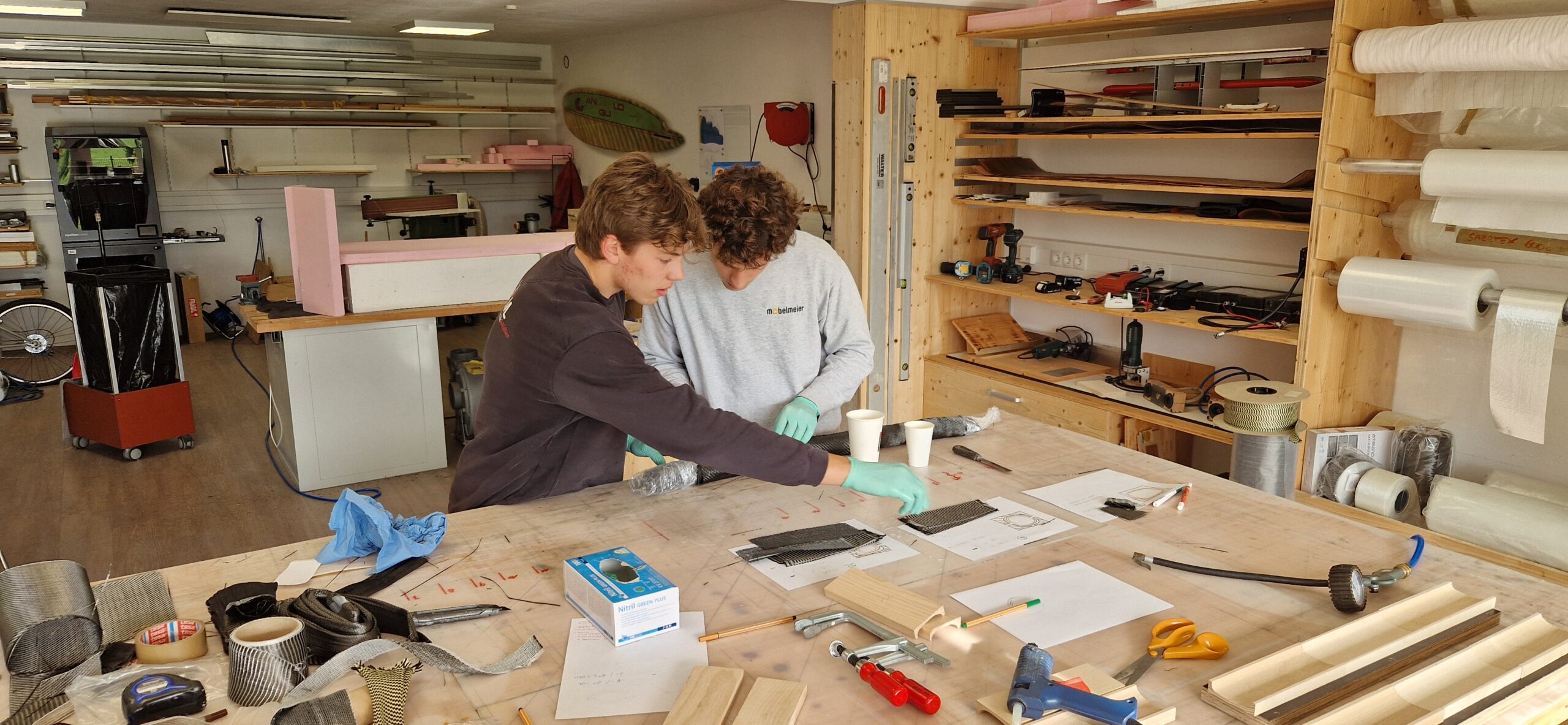
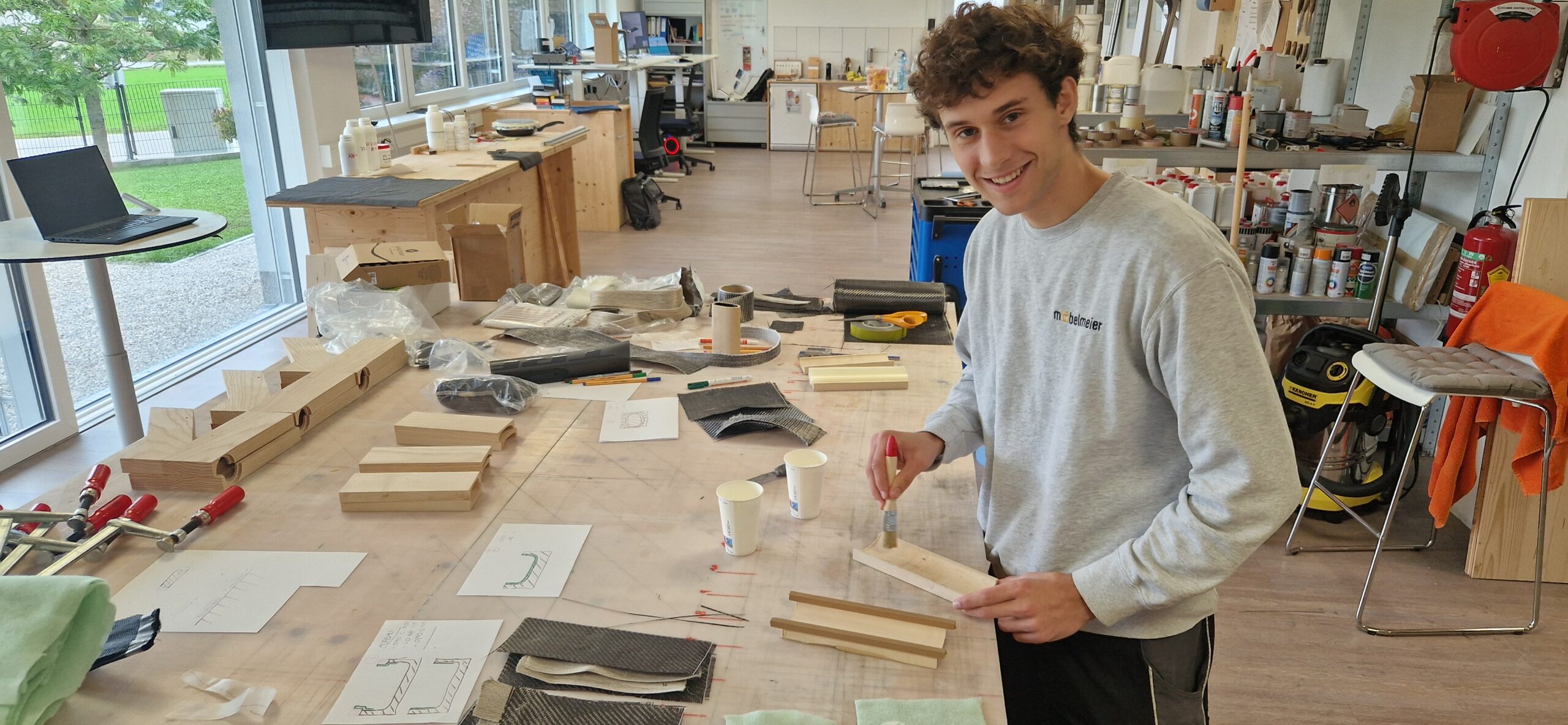
- Workshop instead of whiteboard.
- Resin instead of PowerPoint.
- Learning by doing.
From milling the wooden parts to laminating to the first complete frames, every step was an experiment and every experiment was progress.
The wood-carbon REnnrad
Follow the project live

The road decides
In the end, it’s not the idea that counts, but whether it works.
So the goal is clear: start at the Ötztal Cycle Marathon.
Not as a showpiece, but as a real test.
Can a wooden-carbon frame keep up with the best carbon bikes? Or maybe even surpass them?
We are excited to see where this path will take us and are keeping our fingers crossed for Vincenz & Adrian!
First successes
Woodberg has already achieved its first successes and won first place in the “Be the Best” competition for the best dissertation against many other projects. We wish it continued success! Read more >
Questions? At your side